
In this blog, we will going to understand how visual learners learn and what method or modality is effective to use.
Let’s start on this question.
What is a visual learner?
A visual learner simply means you understand and remember things by sight. You can picture what you are learning in your head, prefer looking at things to absorb information, and you learn best by using methods that are primarily visual.
For example, a visual learner would learn to fix a car better if they watch an instructional video or someone demonstrate it to them rather than listening to an expert explain the process.
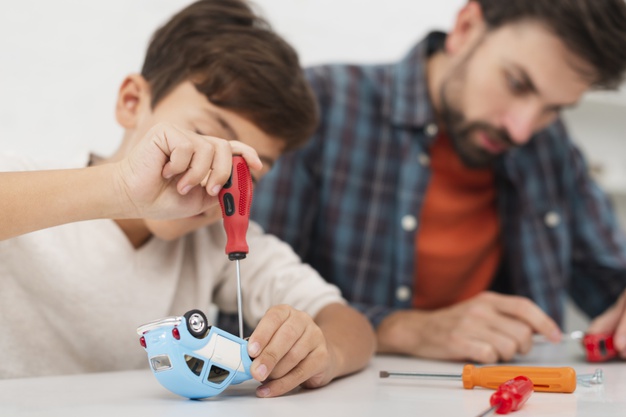
However, being a visual learner does have its downsides. As people who learn through eyesight, distractions are common and a burden when intense focus is needed.

The learner may experience difficulty when only text and speech-based tools are used for instruction and also for listening to directions and information that is not written out.
Meaning… visual cues play an important role in teaching visual learners
1. Use visual cues as reminders
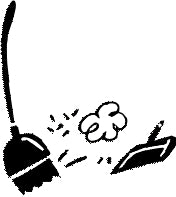
A visual cue might be something as simple as a little picture drawn on a sticky note to remind your child to clean their room.
2. Use a visual and tactile cue to help your child with directionality
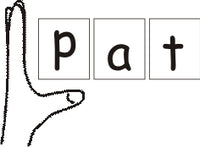
If your child reverses letters or writes backwards, have them “make an L” with their left hand where they’ll begin to write or assemble letters to make a word. Their hand will become a visual, tactile anchor reminding them where to begin.
3. Use a visual cue to remind a child of the sound and shape of a letter
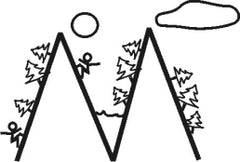
The letter M looks like two mountains, and the initial sound of mountains is the sound for M.
4. Use a visual cue to remind a child of a word and its meaning
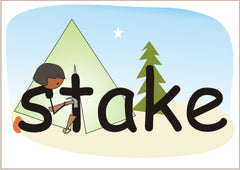
This image shows a child installing a stake for a tent. The visual shows the word, what it means, and differentiates the steak that you eat from the stake you pound in the ground.
5. Use fingermapping as a visual cue for spelling

Fingermapping is a valuable visual cue that helps learners instantly grasp a visual map of the structure of a word, including multi-letter spellings of sounds. Fingermapping creates an effective pathway from not reading to reading.
6. Use visual cues to help children remember which way to turn the letter J
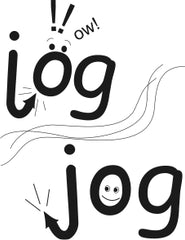
If the letter is written backwards, its sharp point will puncture the letter that follows it. Turned correctly, every letter is safe!
6. Use visual cues for behavior prompt.
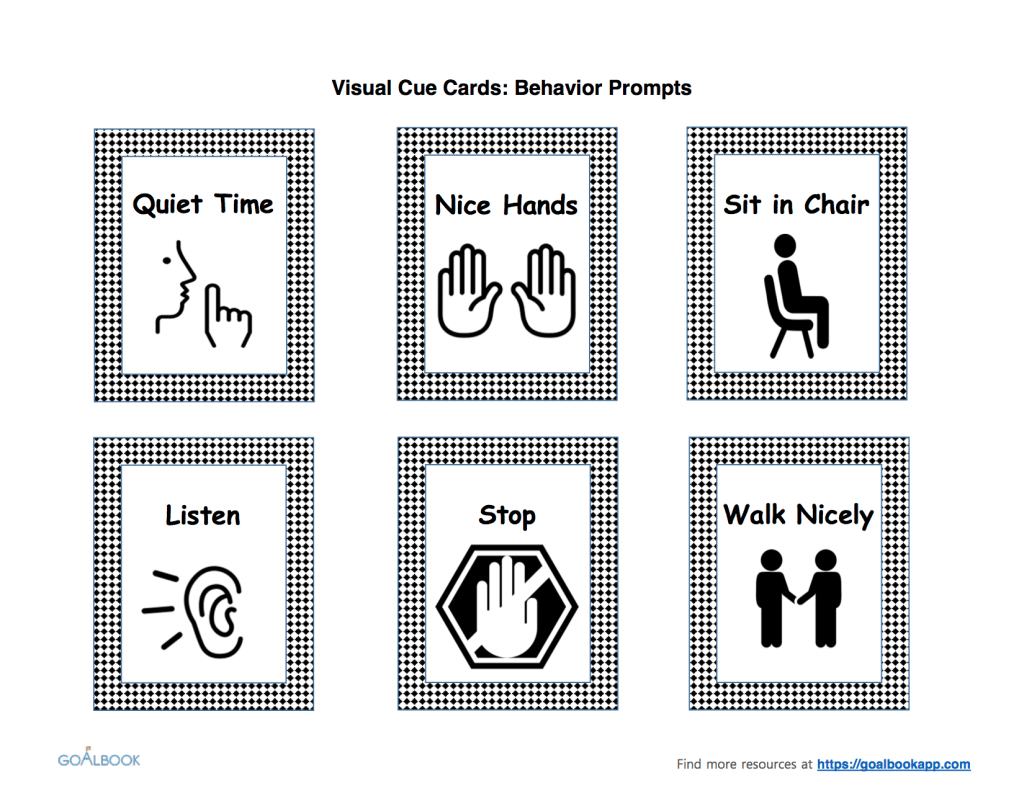
By now, I’m pretty sure you now know what to do. By using these visual cues learning is more easier and fun for both parents and kids.
Good luck!

