First, identify the child or the person’s way of learning.
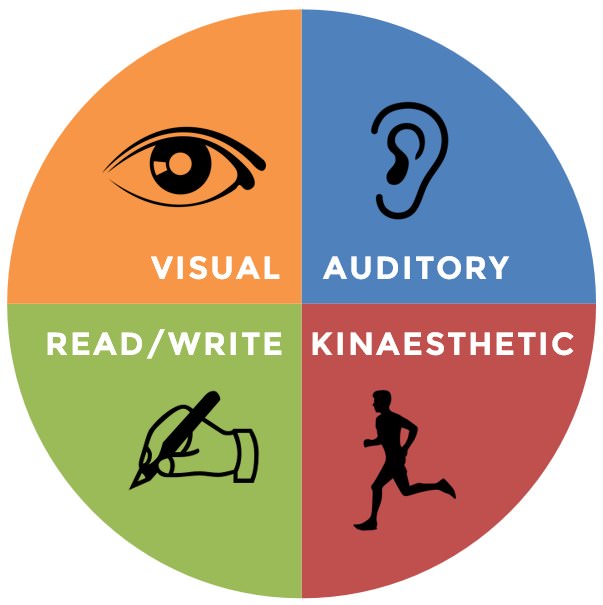
By observing, you may be able to determine if he/she is a visual, verbal, auditory or kinesthetic learner.
Knowing this may cause less stress and surely a success for both parent and child.
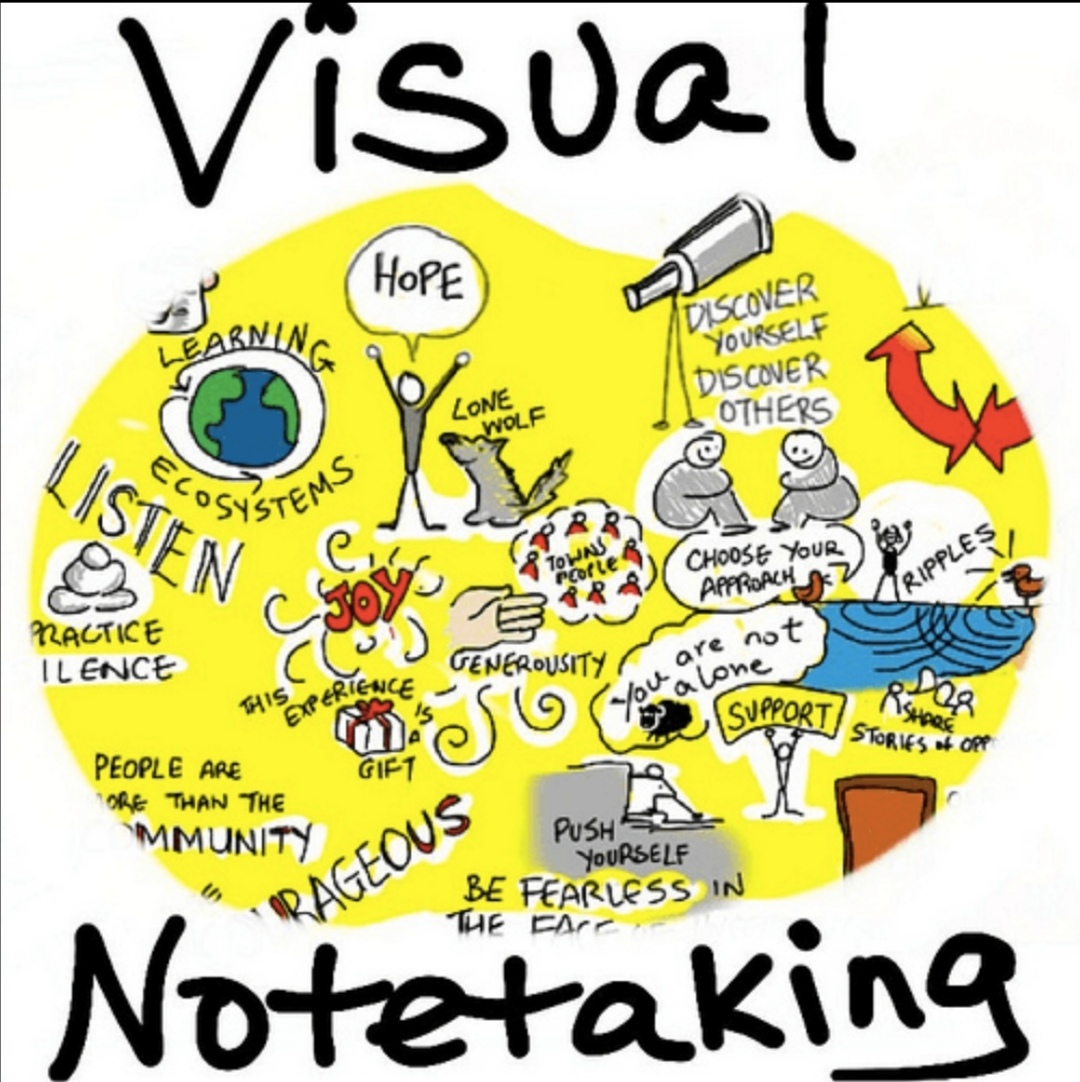
For example, if an autistic child or person prefer looking at things to absorb information or is learning by seeing charts, graphs, lesson outlines and picture aids rather than listening to it (auditory), then he/she may be a visual learner.
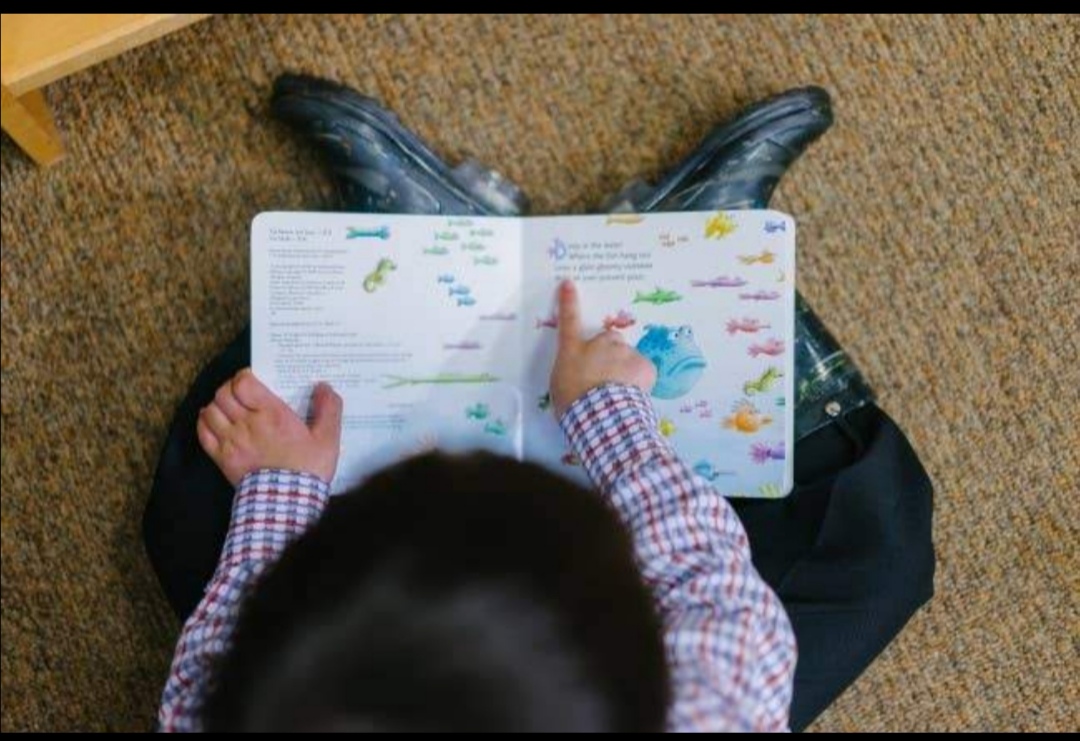
Learning and remembering can be difficult for visual learners because they think in pictures and don’t easily process what they hear orally. We can make learning so much easier for these students by using visual cues. When we use visual cues, we give them new information in a form that matches the way they think. The outcome is rapid learning.
Now, when a person learns best through his/her sense of hearing and remembers and understands new concepts better when he/she is explained out loud, then maybe he/she is an auditory learner.
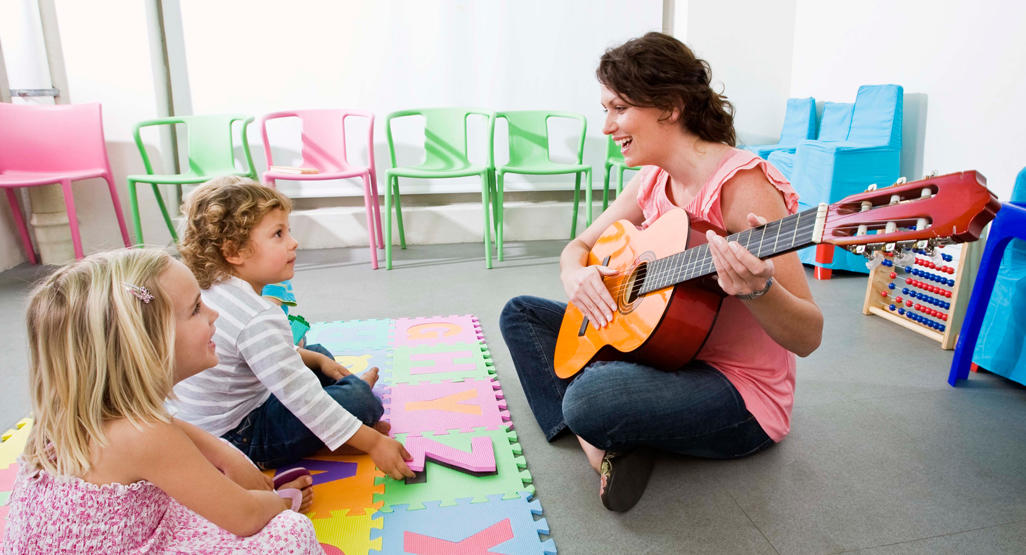
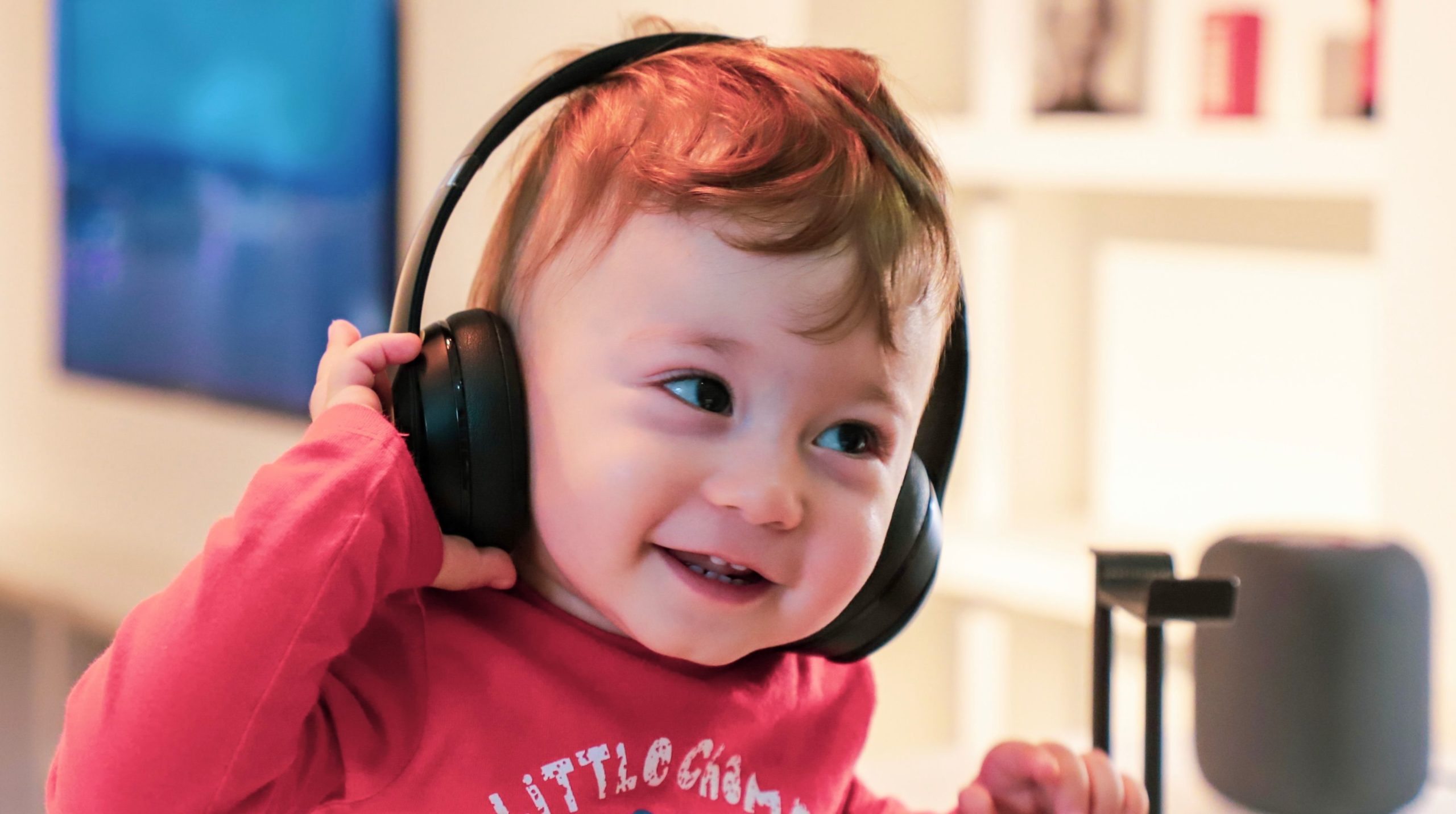
An auditory learner might struggle to study while listening to music or have difficulty working with the TV on because they’re so receptive to auditory information. Therefore, you should find a quiet place to learn, so you can focus all your energy on whatever it is you’re trying to retain.
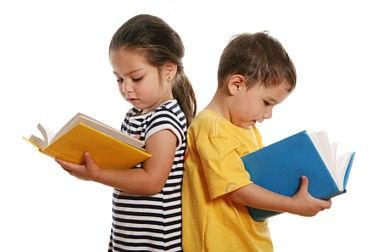
Then, when you see people that have fascination with words and tend to learn new words easily. Usually possess a rich vocabulary. Tend to flourish in reading and writing activities. Tend to enjoy games that involve word play such as Scrabble, Boggle and crossword puzzles. They are what you called verbal learners or linguist learners.
They enjoy language, reading and writing. As the name implies, you are quite adept at expressing yourself verbally. All aspects of language are of interest to you. You probably often have little trouble remembering the information that you have read.

Lastly, when you see a person who moves a lot while studying, enjoys problem solving by doing, and process information while being physically active, then surely he/she is a kinesthetic or tactile learner.
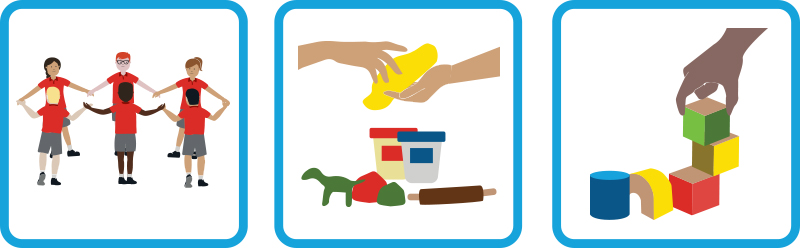

And people who have a kinesthetic learning style often struggle learning through traditional means and sedentary activities, like lectures and conferences. Their minds simply can’t make the connection that they’re doing something when listening or observing.
So considering to know a person’s learning style will lead you to an effective approach based on their strength, weaknesses and preferences.

